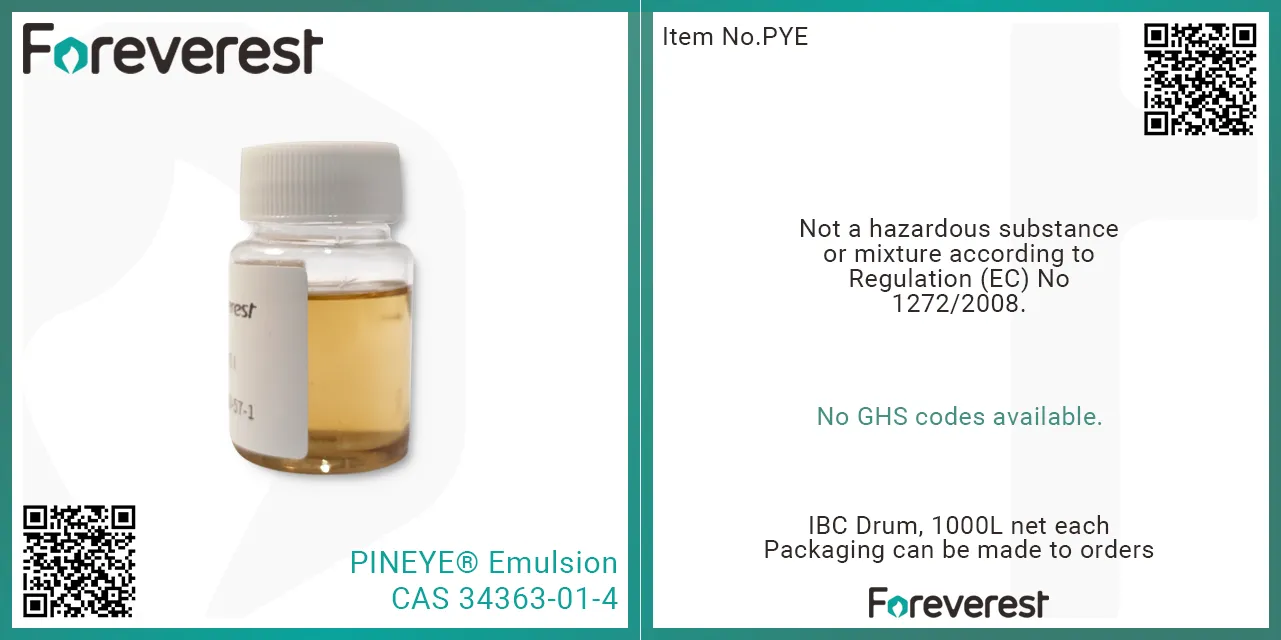
PINEYE™ EC emulsion
Foreverest® PINEYE™ EC is a non-toxic, bio-based emulsion that has successfully passed a six-pack acute toxicity test. It is certified by the USDA BioPreferred® Program and contains USDA certified biobased content.
As a film-forming adjuvant surfactant, PINEYE™ EC is specifically designed for plant protection applications. It creates a protective film on plant surfaces, effectively preventing water loss and significantly enhancing the adhesion of pesticides to plants. When sprayed, this bio-based emulsion forms a prophylactic shield on plants, providing robust protection against UV degradation, frost, windburn, and acid rain, thereby comprehensively promoting healthy plant growth.

PINEYE™ EC is USDA BioPreferred® Program certified product, and the product contains USDA certified biobased content.
PINEYE™ EC is a biobased spreader-sticker comparable to Nu-Film® P and Nu-Film® 17.
PINOLENE® and NU-FILM® are registered trademarks of Miller Chemical & Fertilizer, LLC.
The reference to third-party trademarks is provided only to help readers understand the product category and intended function. It does not imply that this product is identical to, or interchangeable with, the referenced products. If you are interested in third-party products, please visit the relevant official websites for further information.
The R&D application of PINEYE™ EC, which same active ingredient di-1-p-menthene: Antitranspirants can they enhance winegrape production-posted byThe_AWRI
Substance Identification
| Synonyms | Pineye™ EC, Di-1-p-menthene, Piney Resin Emulsion, |
| CAS | 31393-98-3, 34363-01-4, 70750-57-1 |
| EINECS | N/A |
| FEMA | N/A |
| HS.CODE | 290219 |
| Molecular Formula | N/A |
| Molecular Weight | N/A |
Toxicological Information
| LD50 oral, rat | 5g/kg min |
| LC50 inhalation, rat | 2g/m^3 min |
Application & Uses
Efficient Plant Protection Adjuvant
- Utilised as a film-forming adjuvant surfactant across various plant protection scenarios.
- Significantly enhances the adhesion and deposition of pesticides, fertilisers, and other active ingredients on plant surfaces, thereby extending their effective duration and improving utilisation efficiency .
Enhancing Plant Resilience & Growth Promotion
- Forms a prophylactic shield on plant surfaces, effectively protecting them from diverse environmental stressors such as UV degradation, frost, windburn, and acid rain .
- Helps plants efficiently retain water , reducing moisture loss and comprehensively boosting overall plant resilience .
- Promotes healthy plant growth and contributes to enhanced crop yield .
Features & Benefits
- Bio-based Ingredients, Safe & Non-toxic:
- Formulated with bio-based raw materials, ensuring no harmful residues and environmental friendliness.
- Biodegradable & Water-soluble:
- Easily biodegradable with excellent water solubility.
- Outstanding Dispersion & Deposition Performance:
- Ensures even coverage and efficient adherence of pesticides and the protective layer on plant surfaces.
Sales Specification
| ITEM | VALUE | TEST METHOD & UNIT |
|---|---|---|
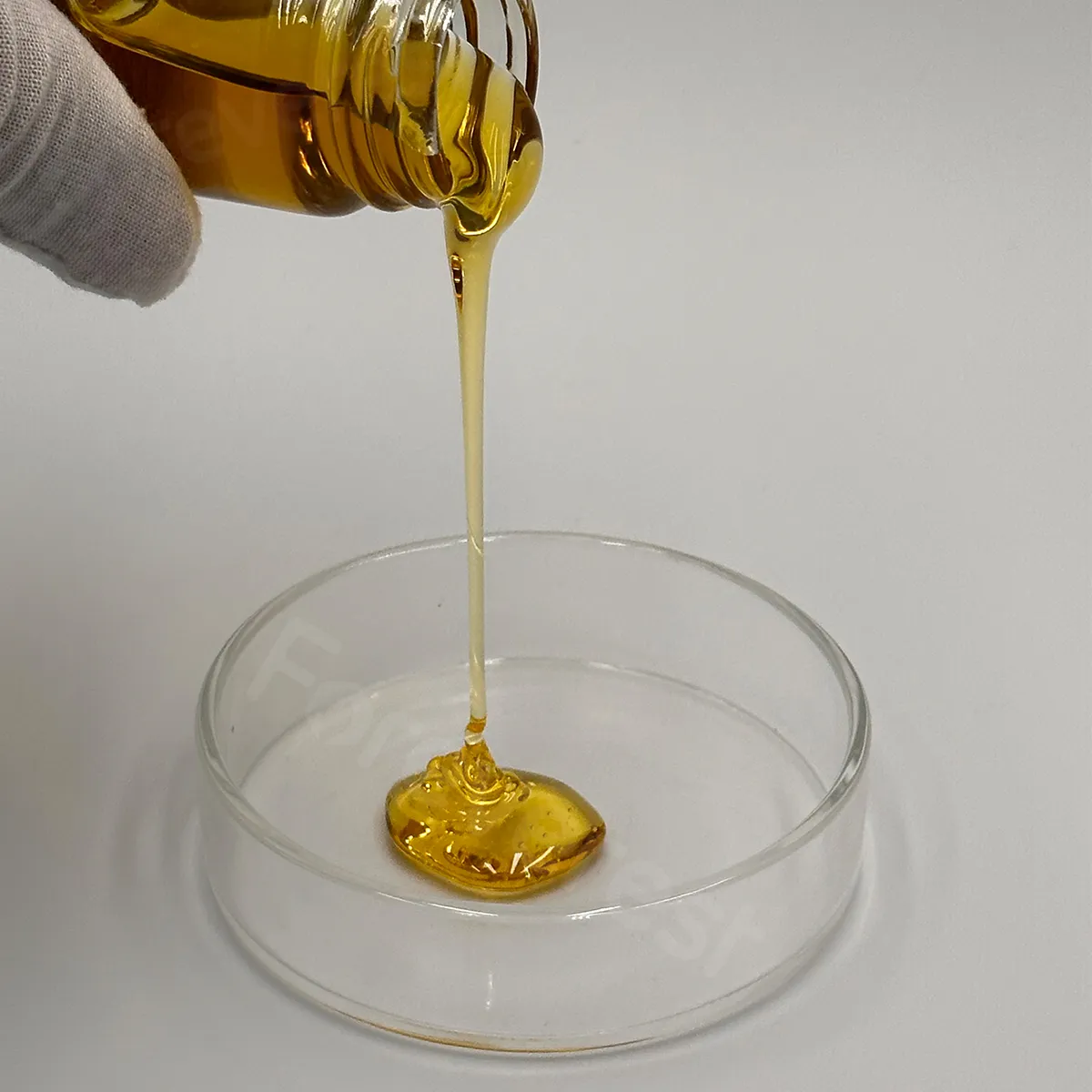
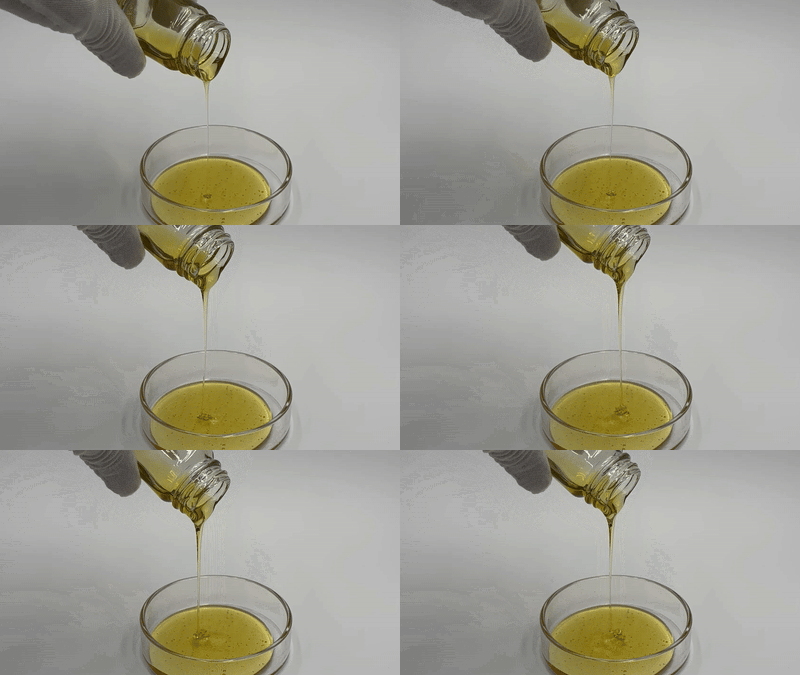
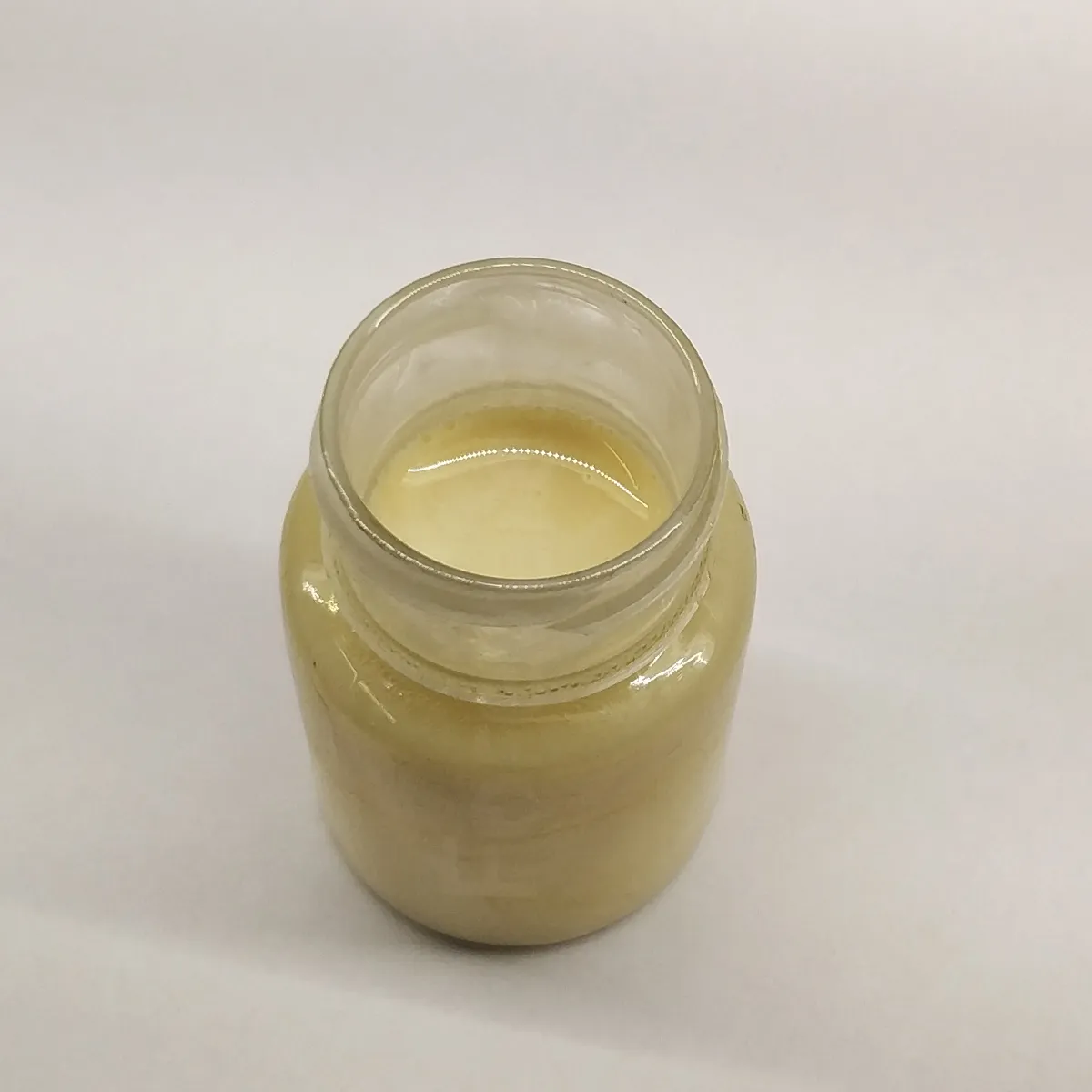
| Appearance | Viscous yellow brown liquid | |
| Odor | Piney odor | |
| Acid Value | 1.0 max | mgKOH/g |
| Color, Gardner | 7 max | @with 50% toluene |
| Content of Poly-1-p-Menthene | 90 min | % |
Q&A
How does a poly-1-p-menthene emulsion differ from mineral-oil-based adjuvants in film formation, spray retention, and residue behavior when tank-mixed with foliar fungicide sprays?
Poly-1-p-menthene emulsions are designed to dry into a thin, flexible polymer film on the leaf surface, so their main value in fungicide tank mixes is retention and rainfastness rather than oil-like spreading. Mineral-oil adjuvants, by contrast, work more as wetting and penetration aids and do not leave the same type of continuous film after drying. In practice, the terpene-polymer film can help hold spray deposits in place and may leave less oily-looking residue than mineral oils on harvested fruit, but the actual benefit depends on crop, dose, spray volume, and label directions. Formulators should still check compatibility, spreading, and field performance for each tank mix, because film-forming adjuvants and oil adjuvants do not behave the same way in every fungicide system.
When formulating an apple sunburn protection programme, what should growers and formulators consider when using a pine terpene polymer emulsion as the film-forming adjuvant?
A pine terpene polymer emulsion is designed to dry into a flexible film on the fruit and leaf surface, so its main value in apple sunburn programmes is to help create a protective barrier that reduces heat and moisture stress and improves spray retention. Because PINEYE Emulsion is a viscous yellow-brown emulsion with a Gardner colour up to 7 and 90% minimum poly-1-p-menthene, tank mixes need good agitation and field trials should confirm coverage, drying behaviour, and any visible residue on the target cultivar. Compared with purely reflective sunburn protectants, a film-forming adjuvant is more about coating continuity, rainfastness, and adhesion than about whitening the fruit surface. Growers should still calibrate rate, spray volume, and application timing for each orchard, since sunburn control depends on crop load, canopy, climate, and harvest window.
What practical trade-offs should a formulator consider when adding a pine terpene polymer emulsion to a herbicide tank mix to improve rainfastness and deposit retention?
A pine terpene polymer emulsion is mainly used to form a thin, flexible film that improves spray deposit retention and rainfastness, so the main trade-off is usually better adhesion versus less spray “super-spreading” than silicone adjuvants. The product’s polymer content gives formulators a useful basis for screening use rates, but final performance still depends on drying time, spray coverage, crop surface and the herbicide label. In most cases, the mixture should be checked for compatibility and practical handling rather than assuming a major pH shift or a predictable viscosity increase. For field use, the key question is whether the film improves rainfastness without causing unacceptable residue, coverage loss or tank-mix instability.
Similar Specs
GHS Hazard Statements
| H-Code | H400/H410 |
| P-Code | P261/ P264/P272/P273/P280 |
| Response | P302+P352/P321/P333+P313/P362+P364/P391 |
| Storage | P403+P233 |
| Disposal | P501 |
| Signal Word | Warning |
Storage
- Environmental & Temperature Control:
- Store in a cool, dry, well-ventilated area, and protect from light.
- Avoid high temperatures to maintain product stability and prevent decomposition or volatilisation.
- Keep in a cool, well-ventilated place.
- Container Management & Prevention:
- Ensure containers are tightly closed to prevent volatilisation and external contamination, and are clearly labelled.
- Ground all equipment containing the material to prevent static build-up.
- Hazard Isolation:
- Keep storage areas away from heat, sparks, open flames, and all sources of ignition.
- This combustible liquid should be stored in a separate safety storage cabinet or room.
- Keep away from incompatible materials to prevent hazardous reactions.
- Safe Handling & Inspection:
- Handle carefully, and stack stably.
- After prolonged storage, always check quality before use.
- Compliance & Emergency Preparedness:
- Strictly comply with all safety regulations, particularly those pertaining to combustible liquid storage.
- Ensure emergency plans are in place for unforeseen circumstances.
Relation Products
Relation Articles
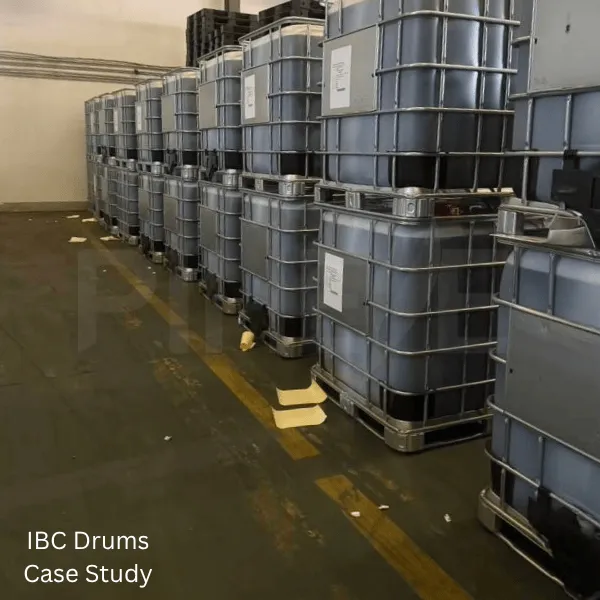
- Handling Guide of Loading 20*1000L IBC Tanks in 20ft Container
- PINEYE™ EC emulsion, a biobased adjuvant, is added to herbicides to increase their resistance against erosion caused by rainwater.
- PINEYE ™ EC emulsion, a new adjuvant for aerial spraying
- PINEYE™ EC emulsion: A new green antitranspirant adjuvant and its effect on plant diseases control
- Discussion of The Application of Gibberellic acid with Surfactant Adjuvants for Fruit Cracking Prevention
- Protect Your Orchards From Getting Burned
- Should You Apply Fungicides in Your Soybeans?
- Spain approval for Eden’s 3AEY fungicide
- The Antitranspirant Adjuvants Also Effect The Plant Diseases Control
- Washington Growers Seeing the Effects of Sunburn
- Film-forming properties of pinolene on leaf surface
- WHAT ARE ANTITRANSPIRANTS? HOW DO THEY REDUCE WATER LOSS IN PLANTS?
- Why Do Farmers Spray Chemicals on Crops?
Remark
The above information is believed to be accurate and represents the best explanation currently available to us. However, no liability is assumed for any consequences arising from the use of this content. The technical standards for our products are developed and updated jointly by our customers and ourselves; where any changes occur, the latest specification shall prevail and will be confirmed in the relevant contract.All suggestions and data provided are based on information we consider to be reliable and are offered in good faith, but without any guarantee, as the conditions and methods of use of our products are beyond our control. Foreverest® makes no warranties, whether express or implied, regarding the accuracy, completeness or suitability of this information, and expressly disclaims any implied warranty of fitness for a particular purpose. Prospective users should conduct their own tests and evaluations to determine the suitability of Foreverest® materials and any recommendations for their intended applications before adoption, and, where appropriate, should obtain confirmation or approval from the relevant regulatory authorities.Any references in this page to patents or patented technologies, including descriptive material derived from patents or citations of specific patent numbers, are provided for information only. They must not be interpreted as a recommendation to use our products in a manner that could infringe any third‑party patent, nor as a grant of any licence or permission to use patents owned by Foreverest®.
Start Purchasing
-

Minimum Order Quantity
Quote required -
Lead Time
Quote required -
Available Incoterms
Quote required -
Regional Availability
Quote required