


Industry News, Flavor & Fragrance Industry
Flavor Bites: Citral in Citrus, Fruit and Other Flavors
Industry News, Flavor & Fragrance Industry
Citral (3,7-dimethyl octa-2,6-dienal) normally occurs in nature as a mixture of two isomers, neral and geranial. It is FEMA GRAS #2303 and COE #109. The odor of citral is strongly lemon and it has a range of obvious uses within the broad citrus family. It is less obviously compatible with flavors outside the citrus category, but it can actually be useful in quite a smorgasbord of wildly varied flavors.
Note that the dose rates given throughout this article are the levels suggested for use in flavors intended to be dosed at 0.05% in ready-to-drink beverages or in a simple bouillon.
| Citrus Flavors | |
| Citron | Citron flavors are even more powerfully lemon than lemon flavors. Fourteen thousand ppm of citral is a typical level. |
| Clementine | In contrast, clementine flavors are at the opposite end of the citrus spectrum and only need around 40 ppm of citral. At this level the citral combines well in profile with a similar level of perilla aldehyde. |
| Daidai | Daidai is a relative of bitter oranges, with a higher level of linalyl acetate, heading a little in the direction of bergamot. One hundred ppm of citral is a good starting point. |
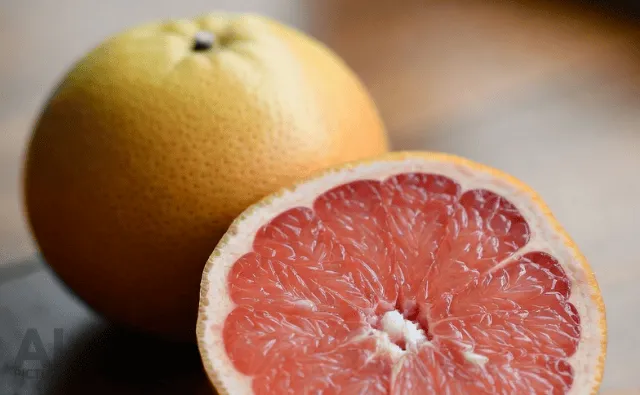
| Grapefruit | Citral brightens all types of grapefruit flavors. Levels can vary, but 200 ppm works well. |
| Kalamansi | Kalamansi taste as acidic as limes but the profile heads more in a tangerine direction. One hundred ppm of citral lifts the profile. |
| Lemon | Citral is central to all lemon flavors. Levels as high as 10,000 ppm work well, enhanced by the related notes of nerol, geraniol, neryl acetate and geranyl acetate. |
| Lime | Fresh lime flavors and flavors based on cold pressed lime oil have much in common with lemon flavors. Flavors based on distilled lime oil are very different, with much lower levels of citral, around 100 ppm. |
| Mandarin | Mandarin flavors also only need moderate levels of citral to enhance their impact. Levels between 100 and 150 ppm are ideal. |
| Orange | All types of orange flavors, blood, juice and peel, are enhanced by added citral. Levels range from 300 to 400 ppm. |
| Pomelo | Pomeloes are the ancient ancestor of many modern hybrid citrus fruits and have the closest relationship to grapefruit because of its high nootkatone content. The profile is brightened by high levels of green notes, which are enhanced by around 300 ppm of citral. |
| Tangerine | Tangerine completes the lineup of citrus flavors. Citral freshens and lifts the profile at levels of addition in the region of 200 ppm. |
| Fruit Flavors | |
| Blueberry | Citral is less dominant in most non-citrus fruit flavors but it is, nevertheless, effective. Blueberry flavors need a contrast to the lavender notes. This raw material is very effective at 50 ppm. |
| Cranberry | Cranberry flavors all benefit from at least a hint of freshness to offset the dried character. Citral provides this at levels of addition around 500 ppm. |
| Guava | Guava flavors can also gain from extra freshness. Here the level of addition is a little lower, around 100 ppm. |
| Kiwi | Citral fits in well to the delicate character of kiwi flavors. Levels of addition vary, but up to 300 ppm enhances without being intrusive. |
| Lychee | Lemon and rose notes also blend harmoniously. Citral is effective in lychee flavors at levels around 100 ppm. |
| Tamarind | The citral note is much more important in tamarind flavors than in other fruit categories. Up to 1,000 ppm provides a sound foundation to the profile. |
| Watermelon | Citral brightens the more realistic category of watermelon flavors at around 200 ppm. This level can also work well in the, more common, fantasy category but, really, the sky’s the limit. |
| Other Flavors | |
| Cream Soda | Cream soda flavors are an interesting fantasy category, and vary more than most fantasy flavors. Citral can play an interesting role in lifting an otherwise heavy profile. Two hundred ppm is a good starting point. |
| Ginger | Creating an entirely artificial ginger flavor sounds easy, but it is not. Citral makes an interesting contribution, even at low levels, around 50 ppm. Australian ginger has a much stronger lemon character and much higher levels can be used. |
| Honey | The addition of citral helps almost all the many different types of honey flavors, even those with an obvious floral profile. Levels vary, but 1,000 ppm is a typical level of addition. |
| Peppermint | Citral is not really an ingredient that would seem to fit naturally into the profile of peppermint flavors. Just a touch, around 20 ppm, actually has a very subtle, but uplifting, effect. |
| Rose | Citral plays a significant role in rose flavors, especially those intended for confectionery applications. Five hundred ppm hits the spot. |
| Tea | This raw material only plays a small part in most tea flavors, but it can be helpful in authentic, Japanese style, green tea flavors at 50 ppm. |
| Tomato | Processed or dried tomato flavors do not gain from the addition of citral. Fresh style flavors, on the other hand, gain enhanced freshness from levels of addition ranging from 100 to 200 ppm. |